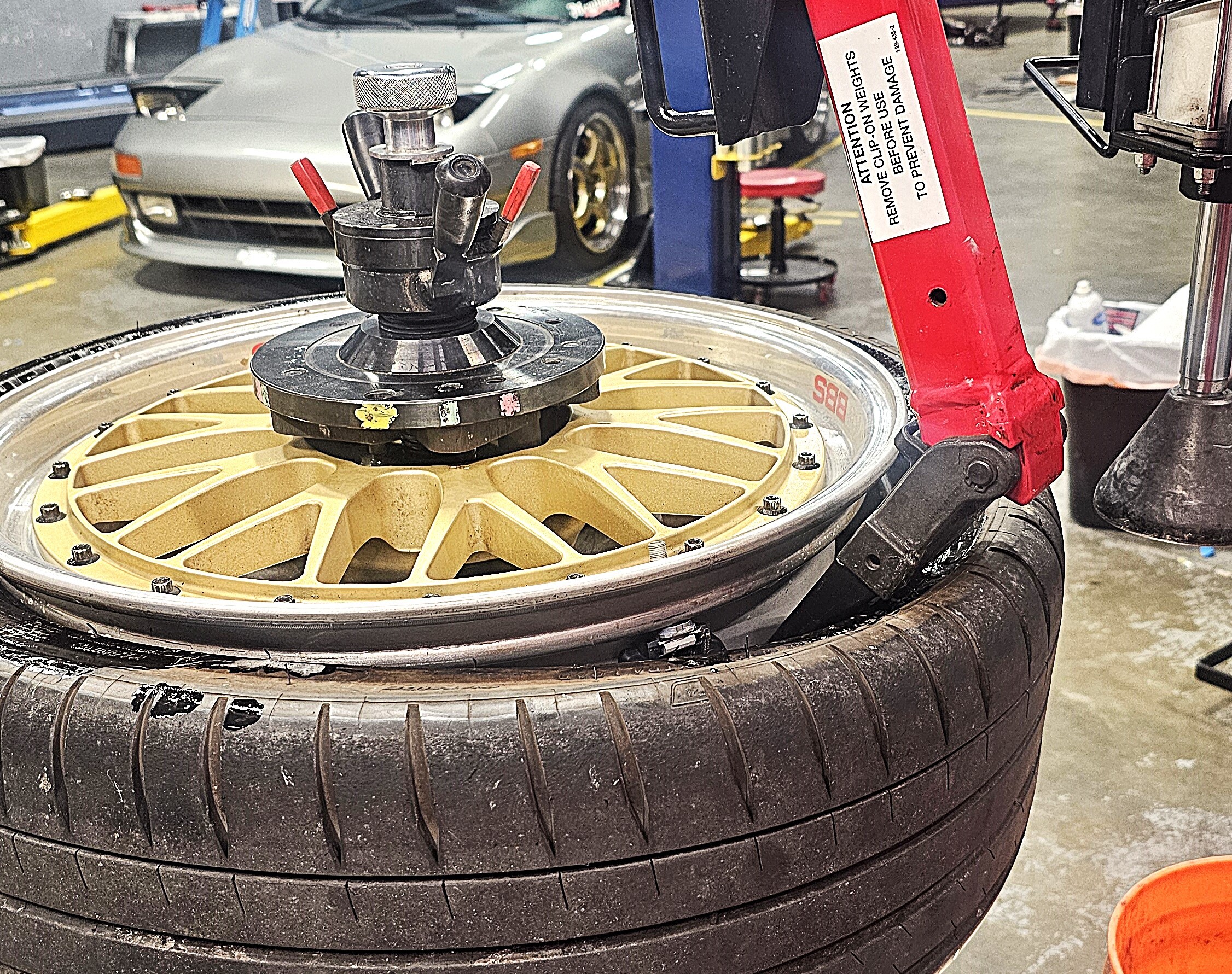

The general recommendation is to rotate your tires every 5,000 to 7,500 miles, or every six months, whichever comes first.
However, the exact mileage interval for your model may vary depending on several factors, such as your driving habits, the type of vehicle you drive, the type of tires you have, and the road conditions you encounter. You can check your vehicle's owner's manual for the exact mileage.
Rotating your tires helps ensure an even rate of wear across all four tires.
For example, front tires often wear down faster than rear tires because they bear most of the car's weight and have the engine directly above them. Rotating your tires also gives you an opportunity to visually inspect them for damage, check their air pressure, and check their tread depth.
Skipping a tire rotation, especially if your tires have already driven for 50,000 or more miles, can lead to major problems, including flat tires, tire blowouts, poor braking, skidding, and hydroplaning.
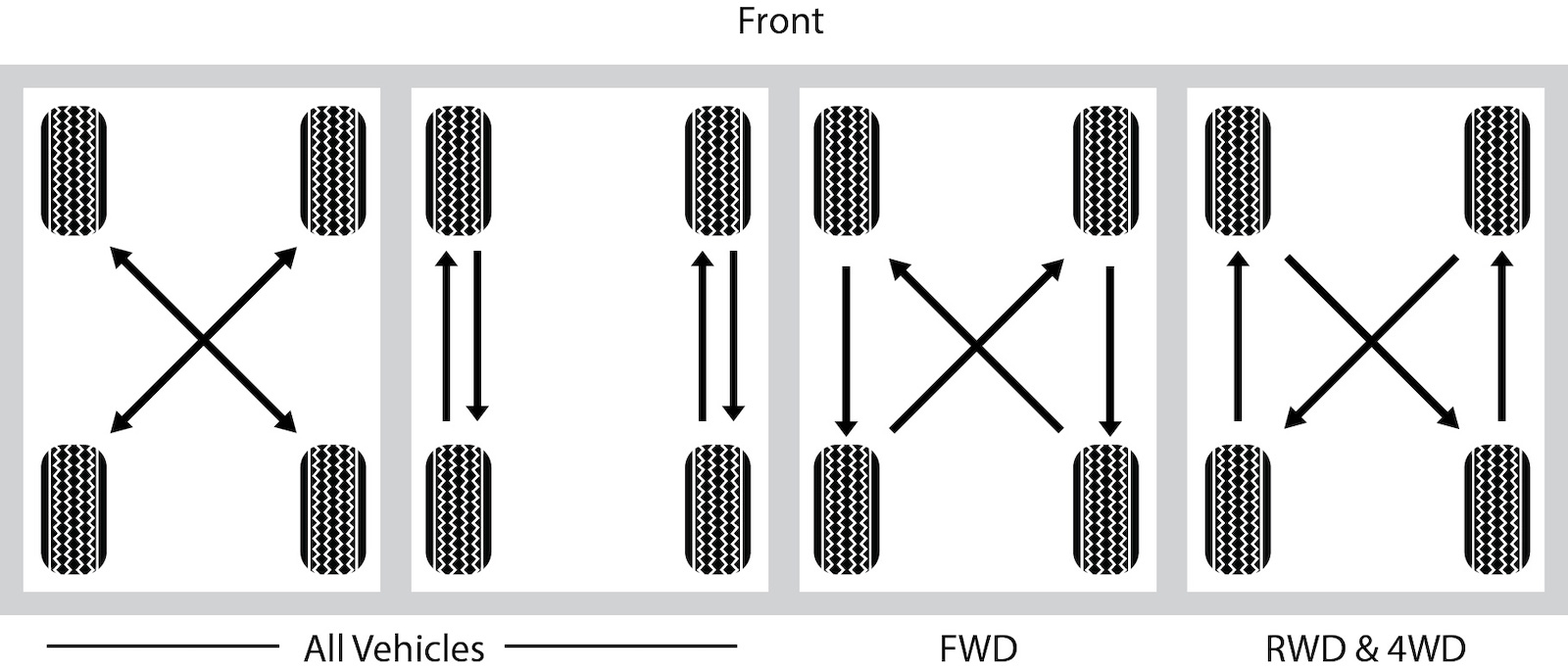
If your tires are different sizes in the front and back, they usually need to stay on the same side of the vehicle.
Here are some patterns you can use:
Non-directional tires
Switch the front tires from one side to the other and the same for the rear. For example, the left front goes to the right front, and the right front goes to the left front.
Directional tires
Swap the tires from opposing sides of the vehicle (Left to Right), but you'll need to dismount and remount them to ensure they spin in the correct direction. This is the only rotation pattern that might require special equipment.
You can also include a full-sized spare tire in the rotation.
For example, front-wheel drive cars with a matching spare can use a forward cross pattern, while rear-wheel or four-wheel drive cars can use a rearward cross pattern.
You should rotate your tires as recommended by the vehicle manufacturer, every 5,000 miles, or when you get your oil changed.
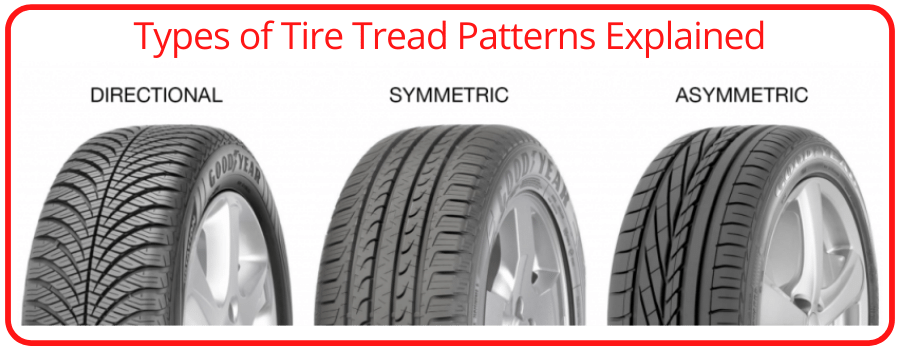
With vehicle that have performance tire that are directional, we recommend to rotate often. Most High-Performance directional tires have a softer rubber compound which helps with alignment if the tires are rotated often.
If you have questions about your tires and your vehicles straight line driving, let us know. We are here to help diagnose these issues.